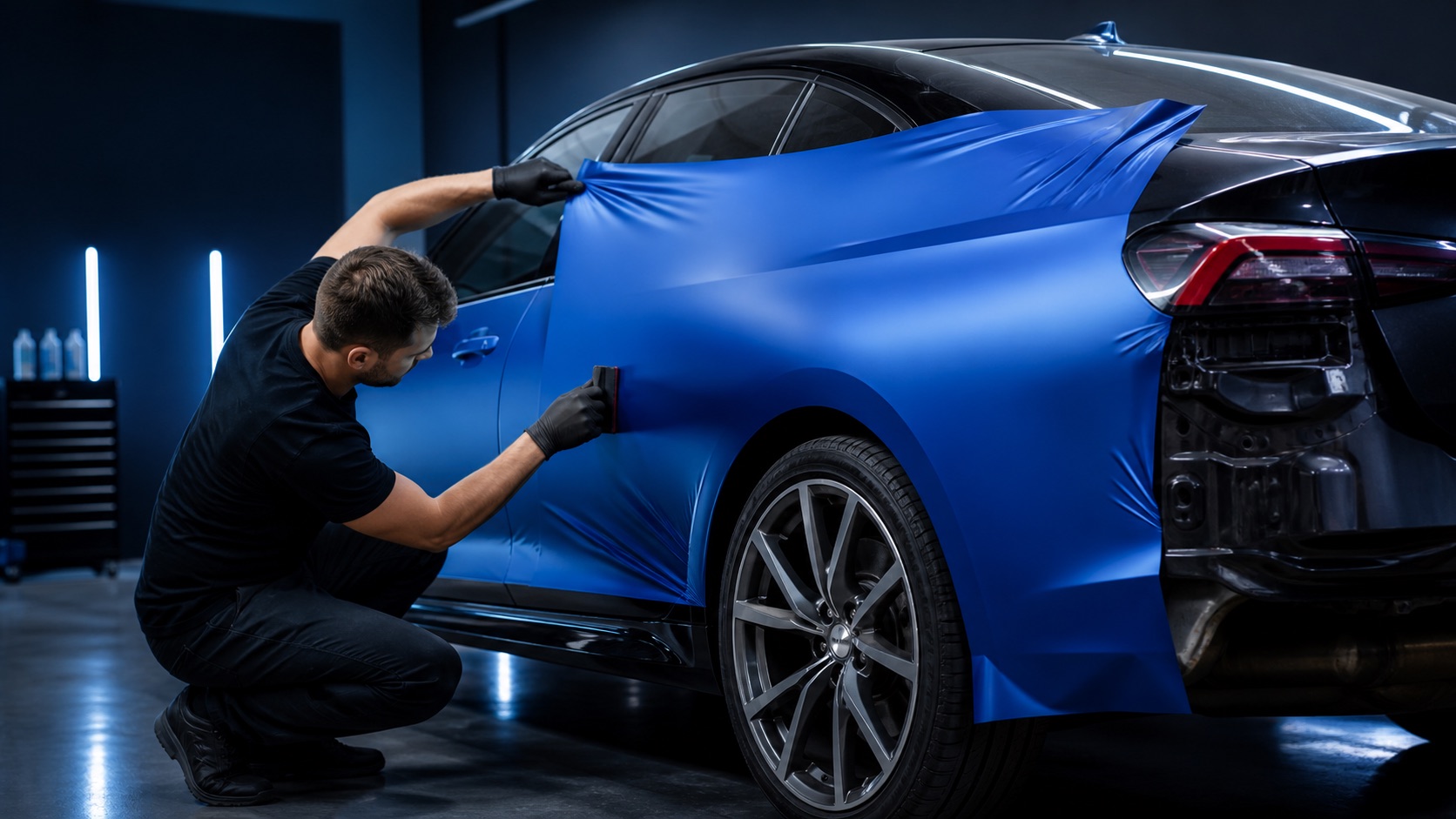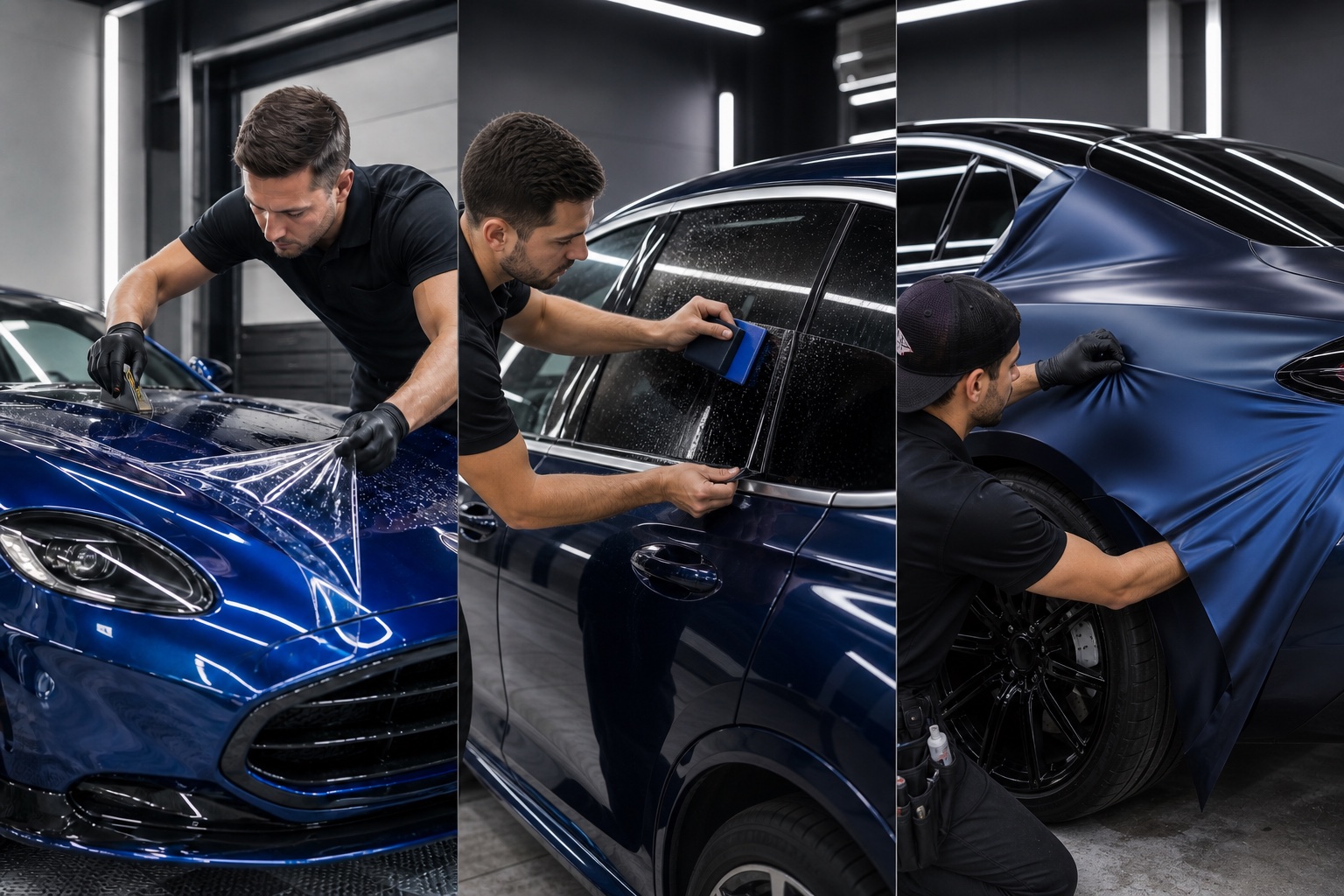
Improved paint clarity
Measured polishing can reduce swirls, haze, oxidation, and suitable light defects without overstating what the paint can safely support.
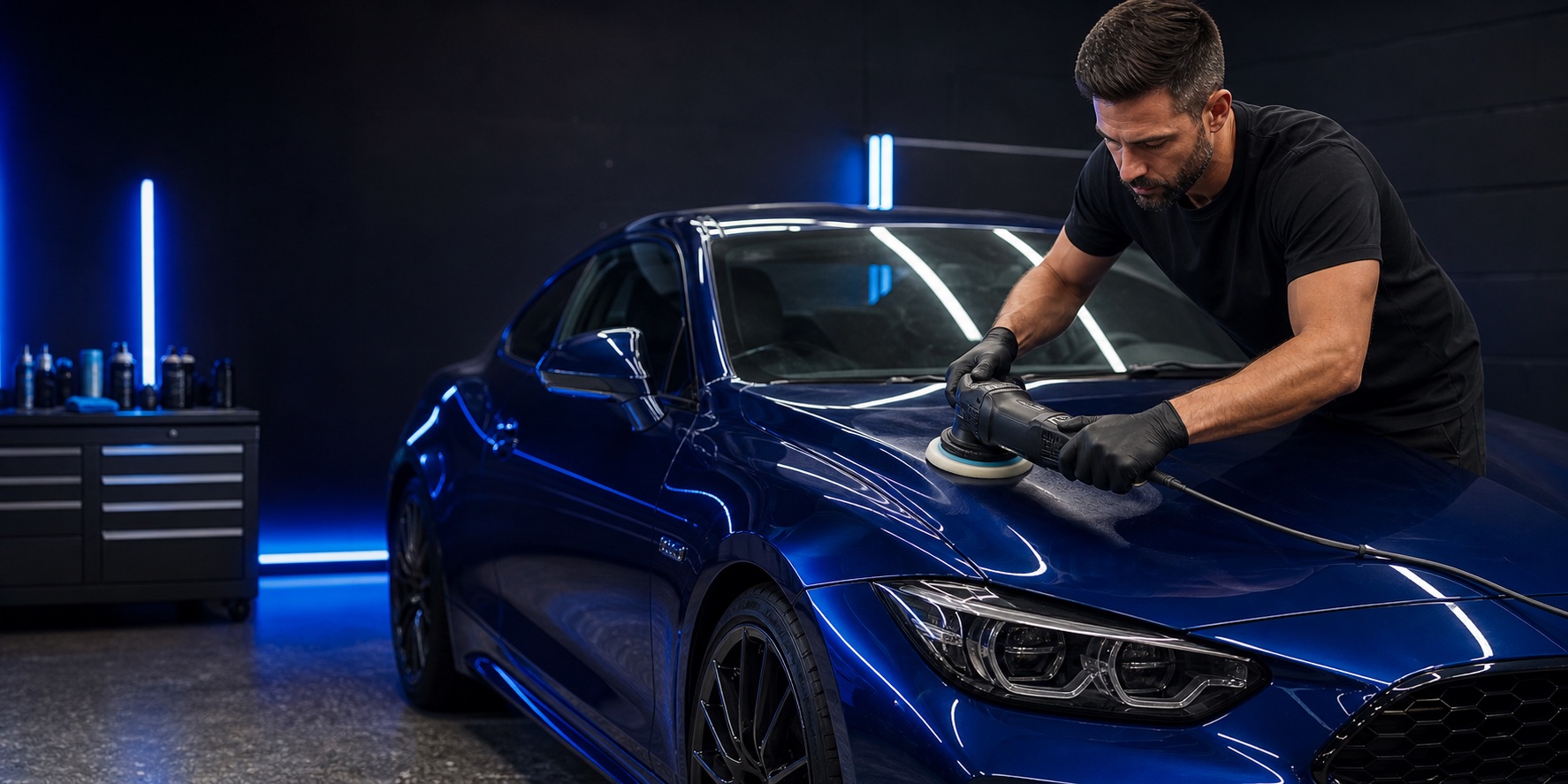
Paint correction is a measured polishing process that targets suitable swirls, haze, oxidation, and lost clarity without promising that every defect can be removed safely.
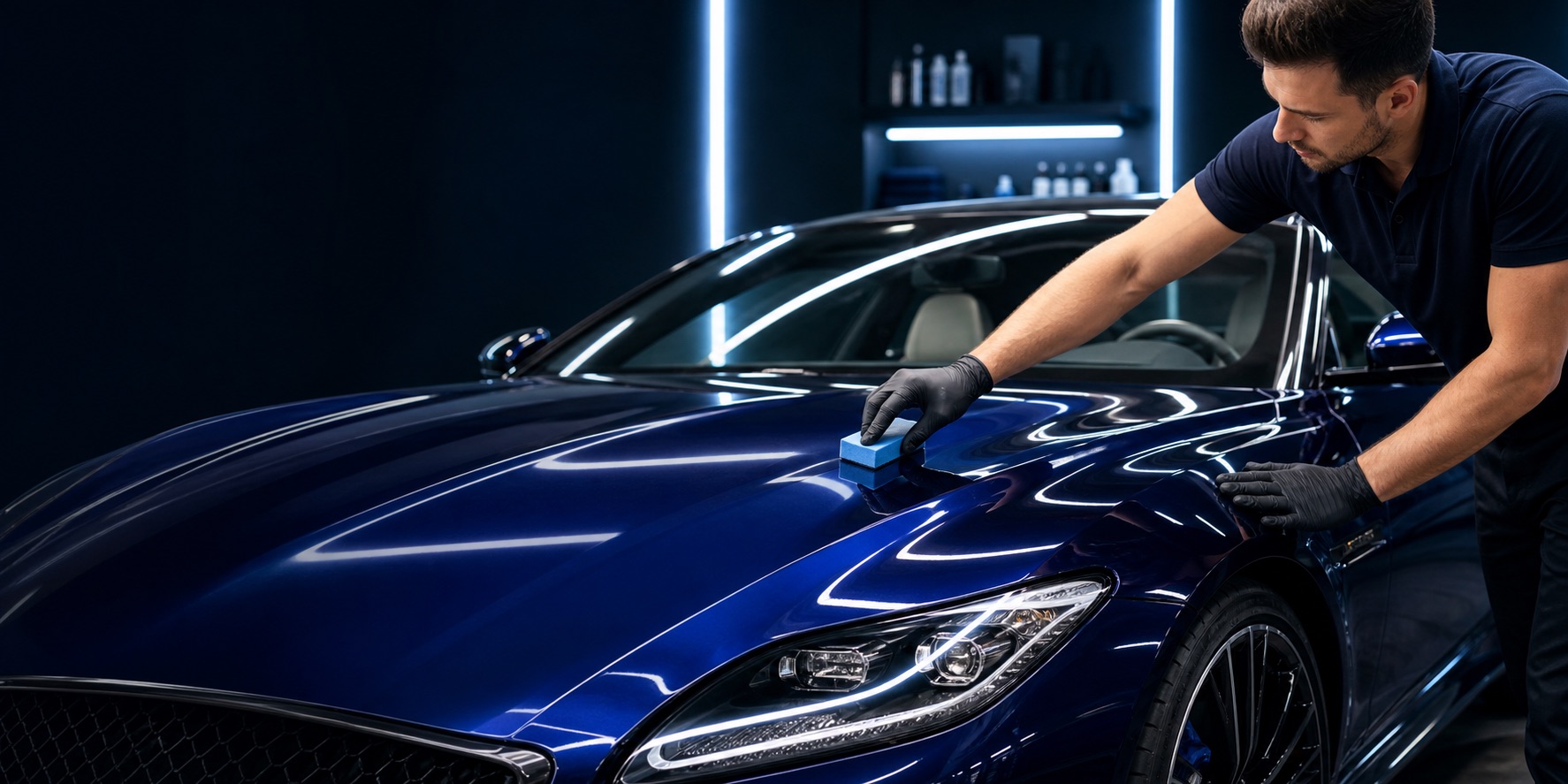
Paint correction is a measured polishing process, not a promise to erase every scratch. The paint is washed, decontaminated, inspected, and tested before a single-stage or multi-stage plan is set. The goal is responsible improvement in clarity and gloss within the limits of the existing finish. Protection can be discussed separately after the agreed correction work is complete.
Strong sun, heat, frequent rain, road film, and outdoor parking can make defects and contamination more visible in South Florida. A controlled preparation process and realistic aftercare plan matter as much as the coating itself.
Measured polishing can reduce swirls, haze, oxidation, and suitable light defects without overstating what the paint can safely support.
A test section helps determine which pad, polish, technique, and correction level fit the paint in front of us.
A properly maintained coated surface can release dirt more readily, though it still needs careful washing and periodic inspection.
Your estimate should identify the vehicle, exact coverage, condition, preparation, selected products, work location, exclusions, and aftercare.
Discuss My VehicleConditions and timing vary by vehicle, but the work should always move from assessment to preparation, application, inspection, and care.
We evaluate paint condition, previous repairs, defect depth, goals, and a safe correction approach.
The vehicle is washed and decontaminated before controlled polishing refines the finish.
Corrected panels are checked under controlled light before maintenance and protection options are explained.
Not sure where your vehicle fits? Share photos and a short description. An inspection may still be needed before the final recommendation or price.
Ask about your vehicle →These answers explain common decisions while leaving product-specific performance and vehicle condition to the written scope.
No. Some defects are too deep to remove safely and may require touch-up or body-shop repair. The goal is the best responsible improvement within the paint’s condition and the agreed scope.
A one-stage service uses one main polishing step to improve suitable defects and gloss. Multi-stage work uses separate cutting and refining steps when the paint condition and agreed goal justify the added time.
Many finishes can be improved, but the safe result depends on paint thickness, previous repairs, clear-coat condition, and defect depth. An inspection and test section determine the responsible approach.
Use careful wash methods, clean microfiber towels, and an appropriate protection plan. The exact recommendation depends on the finish, storage, use, and whether wax, sealant, or coating is selected afterward.
Share the vehicle, priorities, requested service, and location. We’ll review the request and confirm the right next step.